






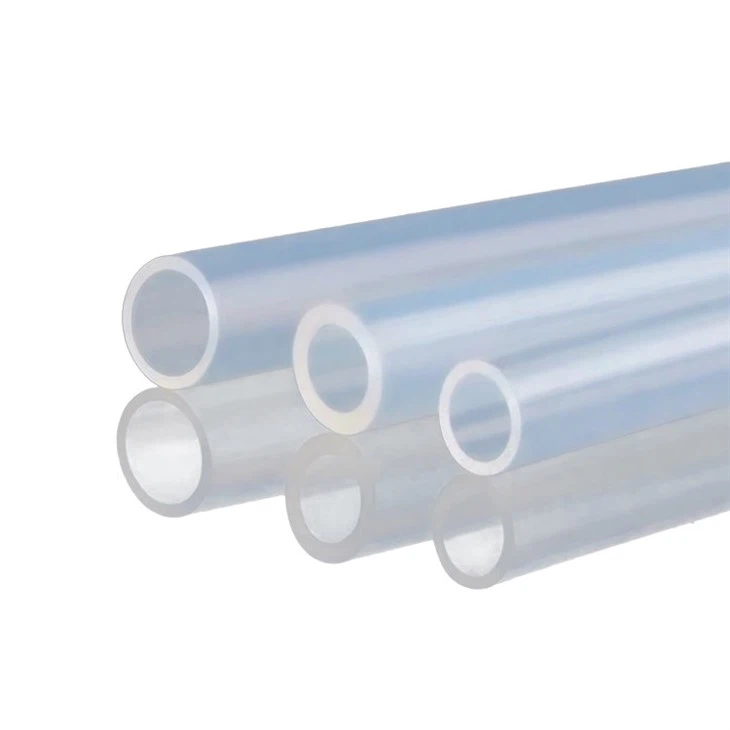
Tuyau d'aspiration en silicone
Working pressure: 0.3-1.2MPA
Working temperature: High : 250~300 degree Low: -40~-60 degree
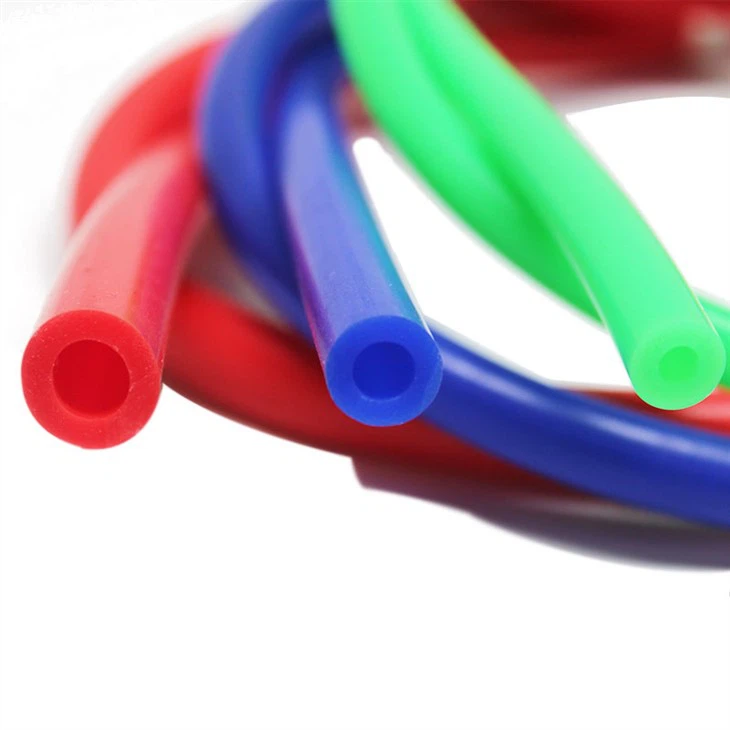
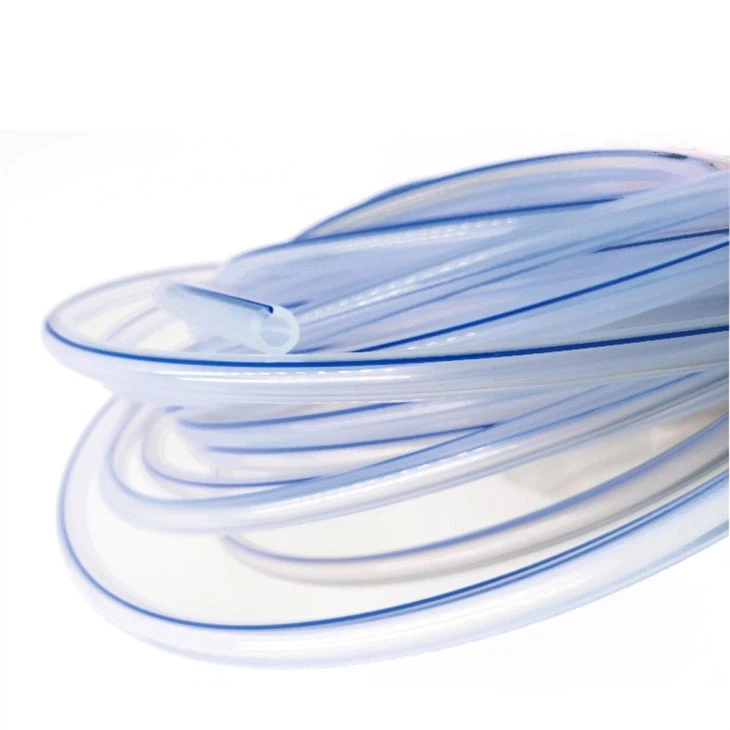
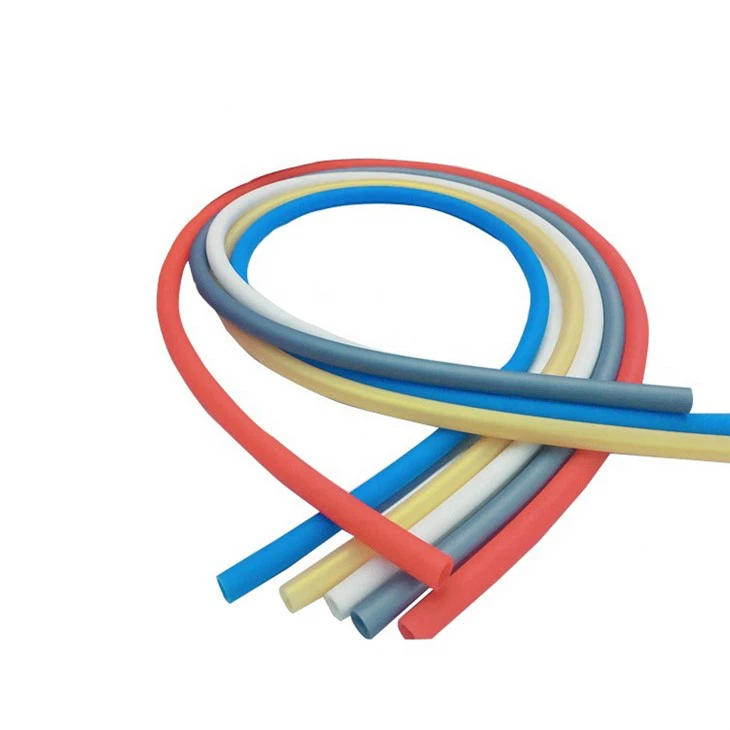
Silicone vacuum hoses are primarily composed of high-quality silicone rubber, which is a synthetic elastomer renowned for its remarkable properties. The manufacturing process involves vulcanizing silicone rubber, a heat treatment that enhances its strength and elasticity. In some cases, these hoses may also have reinforcement layers, often made of fabric, to increase their structural integrity and resistance to collapsing under vacuum pressure.
|
ID - mm |
OD - mm |
Wall - mm |
Length per roll - m |
|
|
1 |
3 |
7 |
2.0 |
100 |
|
2 |
3 |
9 |
3.0 |
50 |
|
3 |
4 |
9 |
2.5 |
50 |
|
4 |
4 |
10 |
3.0 |
50 |
|
5 |
5 |
10 |
2.5 |
50 |
|
6 |
5 |
11 |
3.0 |
50 |
|
7 |
6 |
11 |
2.5 |
50 |
|
8 |
6 |
12 |
3.0 |
50 |
|
9 |
8 |
14 |
3.0 |
50 |
|
10 |
10 |
16 |
3.0 |
50 |
1. **Temperature Resistance:** Silicone vacuum hoses exhibit excellent temperature resistance, capable of withstanding extreme heat and cold without deteriorating or becoming brittle. This property is crucial in applications that involve temperature fluctuations.
2. **Flexibility and Elasticity:** Silicone rubber is inherently flexible and elastic, allowing these hoses to maintain their shape and flexibility even after extended use. This makes them easy to install and maneuver in tight spaces.
3. **Chemical Resistance:** Silicone vacuum hoses are highly resistant to various chemicals, including acids, bases, and solvents. This resistance makes them suitable for use in industries where exposure to corrosive substances is common.
4. **UV and Ozone Resistance:** Silicone rubber has exceptional resistance to ultraviolet (UV) radiation and ozone exposure, ensuring that these hoses do not degrade when exposed to the elements over time.
5. **Non-Toxic and Food-Grade:** Silicone vacuum hoses often meet strict FDA and EU regulations for food contact materials, making them suitable for use in the food and pharmaceutical industries.
1. **Automotive:** These hoses are commonly used in automotive applications for connecting various components like vacuum lines, emission control systems, and brake boosters. Their temperature resistance is particularly beneficial under the hood.
2. **Pharmaceutical and Medical:** Silicone vacuum hoses are used in pharmaceutical manufacturing processes, medical equipment, and laboratory setups where hygiene and chemical resistance are paramount.
3. **Food and Beverage:** Due to their non-toxic nature and food-grade certification, these hoses are ideal for the safe transfer of food and beverage products in industries like dairy, brewing, and food processing.
4. **Aerospace:** In the aerospace industry, silicone vacuum hoses are employed for their resistance to extreme temperatures, making them suitable for both internal and external aircraft applications.
5. **Industrial and Manufacturing:** These hoses play a vital role in various industrial processes, including vacuum chambers, chemical handling, and material handling, thanks to their robustness and chemical resistance.
1. **Durability:** Silicone vacuum hoses have a long service life and can withstand harsh operating conditions, reducing maintenance costs.
2. **Versatility:** Their flexibility and resistance to a wide range of chemicals make them suitable for diverse applications.
3. **High Performance:** Silicone vacuum hoses maintain their performance even under extreme temperatures, ensuring consistent and reliable operation.
4. **Safety:** They are non-toxic and comply with stringent regulations, making them safe for use in critical applications.
5. **Easy Maintenance:** Routine inspection and replacement, if necessary, are relatively straightforward, contributing to their cost-effectiveness.
1. **Visual Inspection:** Regularly inspect hoses for visible signs of wear, damage, or cracks. Replace any hoses that show signs of deterioration.
2. **Clamp Inspection:** Check hose clamps for tightness and corrosion. Replace clamps if they are loose or damaged.
3. **Coolant Replacement:** Follow manufacturer recommendations for coolant replacement intervals, as old coolant can become corrosive and damage the hoses.
4. **Temperature Checks:** Monitor the temperature of the systems where these hoses are used, as overheating can strain the hoses and lead to premature failure.
étiquette à chaud: , tuyau de silicone de l'unité de climatisation, coulée de tuyau de silicone, Dimensions du tuyau de silicone, tuyau de silicone industriel, Processus de production du tuyau de silicone, tube en silicone
Une paire de
Tuyau en silicone de qualité alimentaireUn article
Tuyau en silicone pour aspirateurVous pourriez aussi aimer



Envoyez demande